AC Maintenance in Hutto: Checking Blower Performance
When people in Hutto start talking about an air conditioner that “isn’t working right,” they usually mean the house is either not cooling evenly or it’s taking too long to get comfortable. What they do not always realize is that the blower inside your indoor air handler and the way it moves air through the system can be the difference between a unit that runs and a unit that actually does the job.
I have walked into plenty of homes where the thermostat read the right temperature, the outdoor unit sounded like it was doing something, but the airflow felt weak at the vents. In those cases, the fix was not always a new compressor or emergency AC repair near me AC Repair in Hutto a refrigerant recharge. Often, it was blower performance and the things that quietly drag it down over time. If you are looking for dependable AC maintenance in Hutto, or you suspect your system is underperforming, blower checks are one of the most practical places to start.
And if you are choosing a HVAC contractor in Hutto, this is exactly the kind of diagnostic detail you want. Jurnee Mechanical Heating & Air Conditioning stays focused on what is measurable, what affects airflow, and what it means for comfort and efficiency, not just what sounds convenient.
Why blower performance is a comfort issue, not just a “fan” issue
Your blower is the heart of comfort inside. Even if the outdoor unit is running properly, the air has to be moved across the coil, distributed through ducts, and delivered to the rooms that need cooling. If airflow is weak, the coil does not get the heat it needs to absorb, and the system does not reach stable operating conditions.
There are a few ways weak airflow shows up:
- Rooms near the returns cool faster than rooms farther away.
- Supply vents blow lukewarm air even when the outdoor unit runs.
- The system cycles more often, which can be a sign of trouble finding the right temperature balance.
- You may hear the blower working harder than it should, yet air volume at the registers stays disappointing.
In Hutto, where the humidity can hang around even when the temperature climbs, airflow matters for dehumidification as much as it does for temperature. Strong, correct airflow helps the coil do its job. When the blower is not delivering the airflow the system was designed for, you can end up with cooler air that still feels clammy, or colder-than-usual air that does not actually improve comfort overall.
Blower problems are also easy to underestimate because they do not always look dramatic. A homeowner might hear the system running and assume it is fine. But comfort lives in the details: air temperature at the vents, airflow volume, how steady the temperature change is, and whether the system behaves consistently over a full cooling cycle.
Common symptoms that point to airflow problems
One of the most useful things I can tell a homeowner is this: don’t wait for a total failure. Airflow issues often start as “annoying,” then become expensive.
Here are the patterns I see most frequently when the blower performance is off:
- Vents feel weak on some days and slightly stronger on others, especially after the system has been off for a while
- Dust buildup around registers, on return grilles, or near the filter that suggests restricted airflow
- The system runs longer to reach the thermostat temperature, yet the last few degrees take too much time
- Visible ice on the indoor coil area when the system should be cooling normally
- The air feels cool at first, then the airflow drops or the airflow sounds different mid-cycle
Those symptoms can overlap with other problems, like duct restriction, refrigerant issues, or a failing capacitor. The point is not to self-diagnose. The point is to recognize that blower performance is a major lever. If the blower is dragging, the whole system struggles.
The blower reality: what “good” airflow actually means
Most homeowners think the thermostat tells the system what to do. In practice, the blower settings and the control logic determine how the system delivers cooling. Many modern systems use variable-speed blowers, which can ramp up and down based on temperature demand, humidity targets, and coil protection logic. That means your blower performance is not just about “is the fan on.” It is about whether the blower is hitting the airflow levels the system expects, and whether it can sustain them long enough to finish the job.
Airflow depends on multiple factors working together:
- The filter condition and filter type
- The cleanliness of the indoor coil and blower components
- Motor health and bearing condition
- Capacitance and electrical controls when applicable
- Duct design, duct leaks, and obstructions
- Programming and sensor accuracy on variable-speed systems
When you check blower performance, you are effectively checking how the system is translating “I should move air” into “air is actually moving through the coil and ducts.”
This is where AC maintenance in Hutto earns its keep. A maintenance visit is not only about cleaning, it is about validating performance. Cleaning removes restrictions. Measurement confirms the system responds like it should after the restrictions are reduced.
A quick real-world example from a Hutto homeowner call
A few summers ago, a homeowner near central Hutto complained that their system “kept running but never got comfortable.” The thermostat was set correctly. The outdoor unit started and ran with a normal sound.
But when I walked in, the supply vents were moving air like a soft breeze. Not a complete shutdown, just not enough volume. We checked the filter first, because it is always where restricted airflow starts. The filter looked usable at a glance, but when we pulled it out, it was loaded with fine dust. Fine dust can restrict airflow without looking like a solid block.
Next we checked the indoor coil and airflow path. The coil had buildup that reduced heat transfer, which also makes the blower work in a less favorable condition. Finally, we verified blower output and the conditions the system was operating under. The outcome was not a compressor replacement, because the cooling cycle was not failing at the compressor stage. It was struggling at the air stage.
Once the airflow restriction was addressed and the system was evaluated, comfort improved quickly. The homeowner also noticed that the system did not “hunt” the thermostat as much. That is a huge part of why blower performance matters. Even when the unit is technically running, the homeowner experiences it as never-ending effort without results.
How technicians check blower performance without guessing
Homeowners should expect measurement, not guesswork. A reliable HVAC repair in Hutto should include airflow and system behavior checks, not just a quick look at the thermostat and a guess about refrigerant.
There are a few practical measurements and observations that help narrow down blower issues:
- Airflow consistency at the vents during different phases of the cycle
- Return and supply temperature difference patterns
- Filter condition and the system’s ability to move air through restrictions
- Indoor coil cleanliness and signs of airflow stress, like icing or abnormal condensation behavior
- Blower motor and control performance, including whether it is ramping as designed on variable-speed equipment
If your system has a measurable airflow target, technicians can compare the observed operation to what the system needs to do. If your system does not have an easy “target number” that can be checked at home, the technician still looks for deviations: airflow drops, abnormal cycle length, improper temperature change, and airflow-related coil symptoms.
The reason this matters is simple: if the blower cannot deliver airflow, you can waste money chasing other components that are not actually the root cause.
What maintenance should include when blower performance is the goal
Routine AC maintenance in Hutto should do more than wipe the unit and swap a filter. If the goal is blower performance, maintenance needs to protect the airflow pathway from restrictions and confirm the blower motor and control strategy are functioning correctly.
Here is what I consider a strong, blower-focused maintenance approach:
- Replace the filter with the correct size and appropriate rating for your system, not just “whatever fits”
- Inspect and clean the blower area and accessible components so dust and debris do not choke airflow
- Check the indoor coil for buildup that reduces airflow effectiveness and heat transfer
- Verify blower operation across the system’s cooling stages, especially on variable-speed units
- Evaluate airflow path restrictions, including return grilles, duct connections, and visible obstructions
That last point is important, because restrictions are not always “inside the cabinet.” I have found return grilles blocked by stored items, flexible duct sections sagging, or duct boots that had loosened after minor home projects.
If you are seeking AC installation in Hutto because you are replacing equipment or upsizing, airflow verification is just as important during installation as it is during maintenance. A properly installed unit with the wrong airflow match to the duct system can behave like it is “almost fine” but never fully comfortable.
Filters and airflow: the smallest change with the biggest impact
The filter is often the fastest path from “fine” to “not fine.” It is easy to blame the expensive parts. It is harder to admit that restricted airflow is a gradual issue. But filters do not fail instantly. They load slowly, and fine particulates can accumulate even when the filter still looks relatively light.
Another common mistake is using the wrong filter type. A high efficiency filter can be appropriate, but if you pick a filter with too much restriction for your system, the blower has to push harder. On variable-speed units, the control system may compensate temporarily, but you still can end up with reduced coil airflow or longer run times.
If you have allergies or want better filtration, ask your technician what filter rating your system can handle without compromising airflow. This is one of those “trade-offs” AC maintenance AC Repair in Hutto where good filtration is worth it, but it should not come at the expense of performance.
For homeowners, the practical move is simple: treat filter changes like part of system care, not an afterthought. In Hutto’s heavy pollen and dust conditions, a “recommended” filter change interval can still be too long. If you routinely wait longer than you should, blower strain and airflow restriction can build up.
Coil cleanliness and blower load: why dust quietly changes everything
Dust on the indoor coil can reduce heat transfer, but it also changes airflow behavior. When the coil surface is dirty, the system may need longer run time to reach the desired temperature. Longer run time can mean different humidity performance, and it can also mean more time for dust to circulate and settle on components.
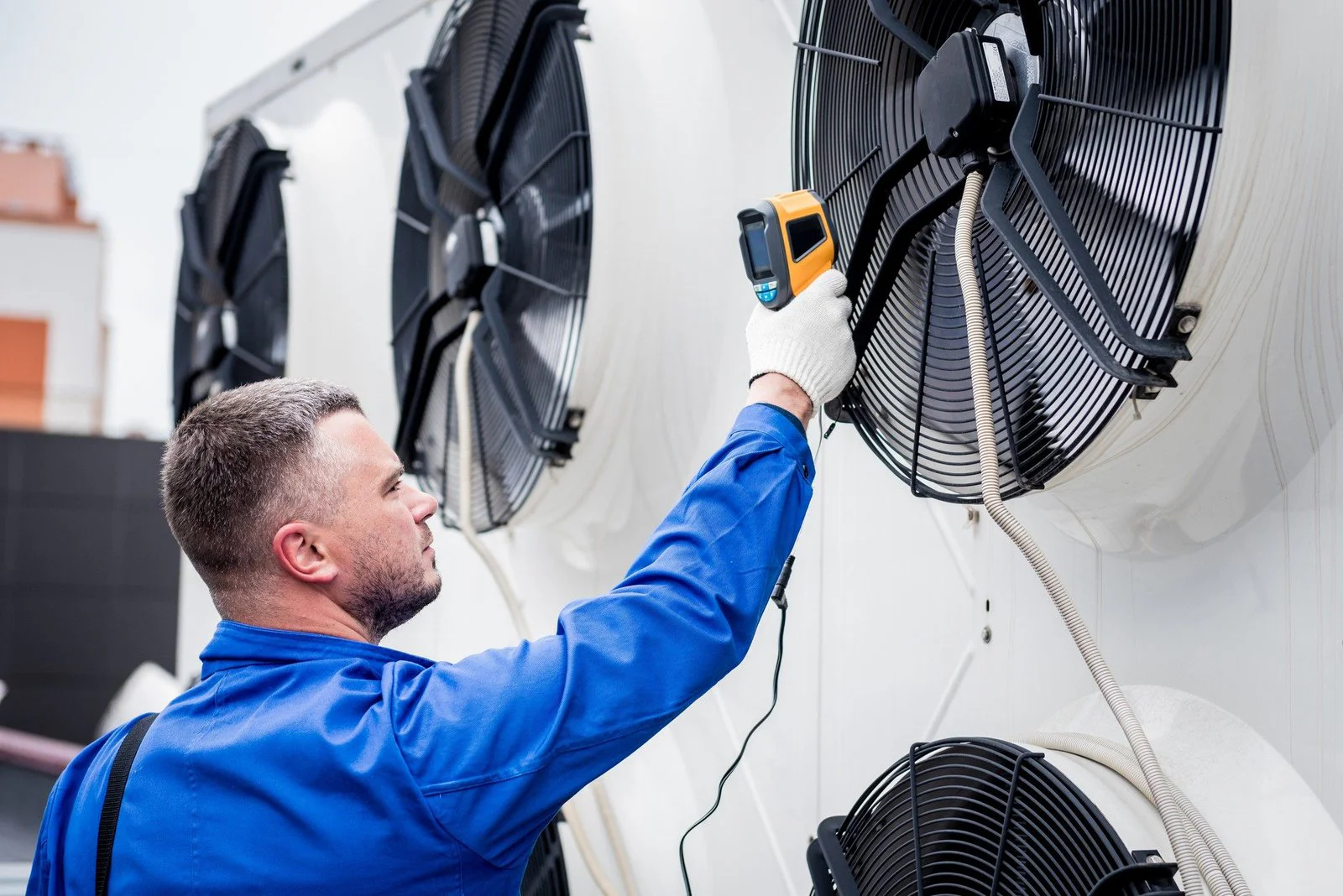
I have seen cases where the blower motor was healthy, but the system still felt weak because the coil was coated. After coil cleaning and verification, airflow feel and temperature feel improved noticeably. The homeowner described it as “the AC finally feels like it did when it was new.”
You can also see signs of airflow-related stress around the indoor coil area. If a system runs with low airflow, the coil can cool too aggressively in the wrong conditions. That is when you sometimes see ice. Not every ice situation is a blower issue, but airflow problems are a frequent contributor. This is why blower performance checks belong in HVAC repair in Hutto conversations. They are not a niche concern.
Electrical and motor health: when the blower is trying, but failing
Blower motors do wear out. Capacitors fail. Control boards can misread conditions or fail to command the correct speed. Even when the unit turns on, the blower might not be delivering the right airflow at the right time.
In variable-speed systems, the blower may ramp correctly for a while, then drift. Or it might consistently run at a lower speed because a component is out of range. The homeowner experiences it as weak cooling, uneven comfort, or longer cycles.
This is the part where a professional diagnosis earns its value. If you simply replace parts at random, you can spend money without fixing the airflow problem. A careful technician looks at symptoms, checks electrical components when relevant, and validates actual airflow behavior.
If you ever notice a system that sounds normal but feels underpowered, don’t assume the problem is only on the outdoor unit. The airflow path is often the culprit.
Ducts and returns: the hidden bottleneck
Even a strong blower cannot overcome a poorly balanced duct system. If your ducts are restrictive, disconnected, leaking, or partially obstructed, the blower will struggle. A homeowner might interpret this as “the AC is weak,” when the real issue is that the system cannot deliver the airflow your rooms need.
A few duct-related situations I have come across:
- Return ducts that are undersized or pulled from awkward locations
- Loose duct joints that leak air in the attic or wall cavities
- Flexible duct sections that kink or sag
- Registers that have been partially closed, covered, or blocked by furniture
These issues are not always obvious from standing in the living room. That is why performance testing during maintenance can reveal problems earlier than guessing based on sound alone.
If you are considering AC installation in Hutto for a new home or an equipment replacement, it is worth asking how the contractor evaluates airflow and duct performance. The best equipment in the world cannot overcome major duct restrictions. A good HVAC contractor in Hutto considers the full system.
Signs you should schedule service sooner rather than later
Some homeowners delay maintenance because they think it is only for prevention. There is prevention in it, yes, but there is also diagnosis and correction. If blower performance is already degraded, you can lose comfort and efficiency quickly.
You should schedule AC maintenance in Hutto if you notice any airflow-related issues that persist for more than a short period, especially when the system is operating normally otherwise.
Also, if you see ice on the indoor coil, feel persistent weak airflow, or notice that the system is running far longer than it used to, do not treat it like a “wait it out” situation. Those patterns can worsen, and the system can spend more time in inefficient operation, which increases wear.
The goal is to restore correct airflow so the system cycles appropriately and delivers the comfort you paid for.
Getting the right outcome: why choosing the right contractor matters
When you hire someone for HVAC repair in Hutto or for AC installation in Hutto, you want more than a person who can restart a system. You want a company that understands that comfort comes from airflow, temperature control, and humidity management working together.
Jurnee Mechanical Heating & Air Conditioning focuses on the details that make a difference in real homes. That includes blower performance and the factors that shape it: filtration, airflow pathways, indoor coil condition, and how the system behaves during cooling cycles. If you are shopping for a HVAC contractor in Hutto, ask questions about how they diagnose airflow problems. A confident answer usually includes measurement, observation, and a process that connects the symptom to the likely cause.
Practical steps homeowners can take between service visits
You do not need to become an HVAC technician to help your system breathe. A few simple habits can reduce blower strain and help your maintenance stay effective.
First, keep the filter fresh and correctly sized. Second, make sure returns are not blocked and registers are not covered. If you have a room that always feels warmer, check for airflow restrictions there, like furniture pushed tight against vents. Third, pay attention to changes. If your system suddenly feels weaker compared to last month, it is often a sign that something changed in the airflow pathway, like filter condition or dust buildup.
If you want to be extra proactive, choose maintenance at the point when the system is about to work hardest, not after you have already lived with uncomfortable indoor air for weeks. In Hutto’s cooling season, an early check gives the technician time to correct problems before they become emergency calls.
Frequently asked questions about blower performance
“My AC runs, so why would it be a blower problem?”
Running does not guarantee correct airflow. A blower can run at an insufficient speed or push air through a restricted path. The system might still turn on and still make some cooling, but it will take longer, feel weak, and handle humidity less effectively.
“Can a dirty coil cause weak airflow even if the blower sounds fine?”
Yes. Dust on the coil reduces heat transfer and can change how the system responds during cooling cycles. It can also increase the system’s time on, which changes how the blower behaves in practice. The result is often weaker comfort, even if the fan sound seems normal.
“What is the safest way to start when I suspect blower issues?”
Start with what is simplest and most likely: confirm filter condition, check for blocked returns, and schedule a service visit that includes airflow and blower behavior assessment. That keeps you from guessing while you wait.
“Will checking blower performance help with both temperature and humidity?”
Usually, yes. Airflow affects coil performance, and coil performance affects dehumidification. With correct blower operation, you can often improve both the temperature feel and the humidity feel, which is especially important in Hutto.
When you want your system to perform like it should, start with airflow
Blower performance is one of those topics that seems small until you experience what it means to have consistent cooling and comfortable humidity. It is also one of the most grounded areas for AC maintenance in Hutto, because so many common problems connect back to airflow: dirty filters, clogged coils, worn motors, duct restrictions, and control issues that show up during a cooling cycle.
If your system has felt weak, uneven, or unusually persistent, blower checks are not just “nice to have.” They are often the fastest route to the real fix.
And if you want a team that treats HVAC repair in Hutto as a diagnostic effort and not a guess-and-replace process, reaching out to Jurnee Mechanical Heating & Air Conditioning is a solid move. Comfort depends on the invisible work of airflow, and you deserve a contractor who pays attention to it.
Jurnee Mechanical
209 E Austin Ave, Hutto, TX 78634
(737) 408-1703
[email protected]
Website: https://jurneemechanical.com/